
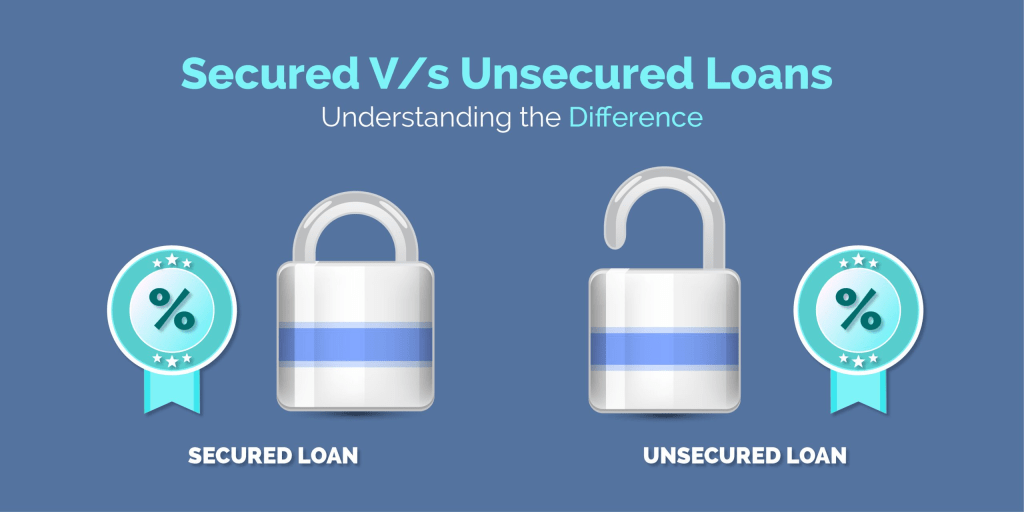
What is a Secured Loan?
A secured loan requires collateral, which is an asset that the lender can seize if the borrower fails to repay the loan. This collateral reduces the lender’s risk, making secured loans easier to qualify for and offering lower interest rates.
Common types of secured loans include mortgage loans that use a home as collateral, auto loans where the vehicle serves as security, home equity loans and HELOCs that allow homeowners to borrow against the equity in their property, secured personal loans that require savings or investments as collateral, and title loans where borrowers use their vehicle title as security.
Secured loans offer lower interest rates due to the reduced risk for lenders, higher loan amounts since the collateral backs the loan, and easier approval for borrowers with lower credit scores. However, they also come with risks such as the possibility of losing collateral in case of default, a longer approval process since lenders need to assess the asset’s value, and limited use cases for certain types of secured loans like auto loans.
What is an Unsecured Loan?
An unsecured loan does not require collateral, meaning the lender relies on the borrower’s creditworthiness, income, and debt-to-income ratio to assess risk. Because there is no asset backing the loan, interest rates tend to be higher, and lenders have stricter qualification requirements.
Common types of unsecured loans include personal loans that can be used for a variety of expenses, credit cards that offer revolving credit without collateral, student loans for education financing, medical loans for unexpected healthcare costs, and debt consolidation loans that combine multiple debts into a single payment.
The main benefits of unsecured loans include no risk of losing assets since no collateral is required, a faster approval process with less paperwork, and flexibility in fund usage. However, they often come with higher interest rates, lower loan limits compared to secured loans, and stricter approval requirements, making them more difficult to qualify for without a strong credit history.
Key Differences Between Secured and Unsecured Loans
Secured loans require collateral, whereas unsecured loans do not. Interest rates tend to be lower for secured loans because lenders face less risk, while unsecured loans typically have higher interest rates due to the absence of collateral. Secured loans often offer higher borrowing limits, whereas unsecured loans have lower limits due to the increased risk to lenders. The approval process for secured loans takes longer because the lender must evaluate the collateral, whereas unsecured loans can be approved more quickly. Borrowers who default on secured loans risk losing their assets, whereas unsecured loans do not require collateral but can negatively impact credit scores if payments are missed.
How to Choose Between Secured and Unsecured Loans
A secured loan is the better option for borrowers who need a lower interest rate and can provide collateral, those borrowing a large amount for major purchases such as a home or car, or individuals with a lower credit score who need better approval odds.
An unsecured loan is preferable for those who do not want to risk losing assets, need quick approval with fewer restrictions on how the funds can be used, or have a strong credit score that qualifies them for lower interest rates despite the higher risk to lenders.
How to Get the Best Loan Terms
Improving your credit score increases the chances of qualifying for lower interest rates. Comparing multiple lenders, including banks, credit unions, and online lenders, helps find the best terms. Understanding fees such as origination fees, prepayment penalties, and late fees prevents unexpected costs. Choosing the right repayment term is also essential, as longer terms result in lower monthly payments but higher overall interest costs.
Conclusion
Secured and unsecured loans serve different financial purposes. Secured loans provide lower interest rates and higher borrowing limits but require collateral, while unsecured loans offer quicker access to funds without asset risk but come with higher interest rates and stricter eligibility criteria. Choosing the right type of loan depends on financial circumstances, credit score, and willingness to risk collateral. Before committing to a loan, borrowers should compare options and thoroughly review loan terms.
Frequently Asked Questions
Which type of loan is easier to get?
Secured loans are generally easier to qualify for because lenders have collateral as security.
Do unsecured loans hurt my credit score more?
Both secured and unsecured loans impact credit, but unsecured loans have stricter credit requirements, making missed payments more damaging.
What happens if I default on a secured loan?
The lender can seize the collateral, such as a house or car, to recover the outstanding balance.
Can I switch from an unsecured loan to a secured loan?
Some lenders allow refinancing from an unsecured to a secured loan to obtain a lower interest rate.
What is the best loan type for debt consolidation?
An unsecured personal loan is usually the best option for debt consolidation if the borrower qualifies for a low interest rate.
 Smart Credit Insider
Leave a comment